Physical Address
304 North Cardinal St.
Dorchester Center, MA 02124
Physical Address
304 North Cardinal St.
Dorchester Center, MA 02124
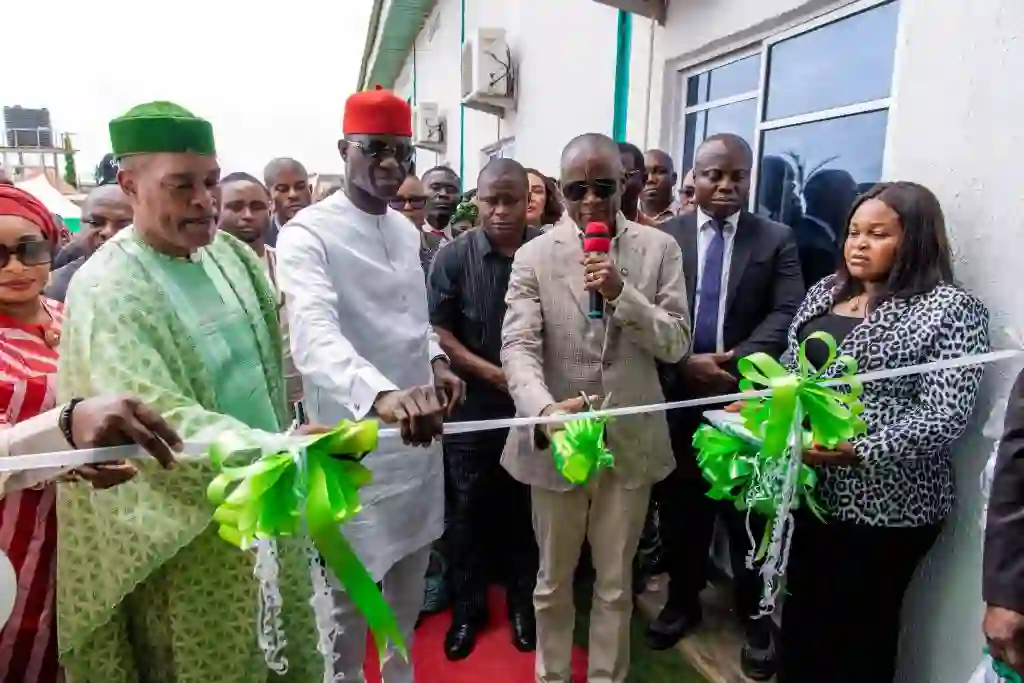
The Federal Government has commissioned a new Automotive Training Centre of the National Automotive Design and Development Council (NADDC) in Ebonyi State as part of efforts to equip young Nigerians and existing automotive practitioners with practical skills for the changing vehicle industry.
The facility was commissioned on Thursday, September 18, 2026, by the Minister of State for Industry, Federal Ministry of Industry, Trade and Investment, Senator John Owan Enoh.
The new center is expected to provide practical training in areas including automotive technology, vehicle diagnostics, repairs and maintenance, mechatronics and emerging vehicle technologies.
For young Nigerians interested in automotive careers, the facility is designed to provide technical skills that can be applied in employment, vehicle servicing, entrepreneurship and other areas of the automotive value chain.
The center is part of NADDC’s plan to expand access to technical and automotive training across Nigeria.
According to the officials at the commissioning, training at the facility will cover practical areas of the automotive industry rather than focusing only on classroom-based learning.
Areas highlighted include:
The training is intended to help participants understand modern vehicle systems and develop practical abilities that can be used in automotive workshops, businesses, manufacturing-related activities and other technical roles.
This is important as vehicles increasingly depend on electronic components, computerized diagnostic systems and specialized equipment.
The facility is not designed only for people who are already working as mechanics.
NADDC said the center will provide practical training for different groups connected to the automotive sector.
Potential beneficiaries include:
This means the facility can serve both people who are starting a career in the automotive industry and existing practitioners who need to update their skills.
For young people, the training could provide a route into technical employment or help them build the skills required to establish an automotive-related business.
One of the areas receiving attention at the new center is training for emerging vehicle technologies.
The Federal Government has highlighted the need for technicians who can work on Compressed Natural Gas (CNG) vehicles and electric vehicles (EVs) as Nigeria’s transportation sector changes.
Modern vehicles are increasingly different from older systems that rely mainly on mechanical components.
Technicians now need to understand areas such as electronic diagnostics, sensors, computerized vehicle systems, electrical components and other specialized technologies.
The Ebonyi center is therefore expected to help participants develop skills that go beyond traditional vehicle repairs.
For technicians who already work in the industry, learning how to diagnose and service newer vehicle systems could help them adapt as these technologies become more common.
At the commissioning, Minister of State for Industry John Owan Enoh stressed that establishing the center should go beyond putting up buildings and installing equipment.
He called for quality training, regular equipment upgrades, modern training programs and qualified instructors.
He also emphasized the need for stronger relationships between training centers and organizations operating in the automotive industry.
These partnerships could include vehicle manufacturers, vehicle assemblers, component producers, technical institutions and private-sector operators.
Another issue highlighted was the need to connect people who complete the training with opportunities for employment, entrepreneurship, further training and government support programs.
This is particularly relevant to young Nigerians who acquire technical skills but may still need access to equipment, financing, employers or business opportunities to turn those skills into income.
The automotive industry provides opportunities across several areas, including vehicle repairs, diagnostics, maintenance, parts production, spare-parts distribution, vehicle assembly and technical services.
The growth of newer technologies is also creating demand for people with specialized knowledge.
A young person trained in modern automotive diagnostics, for example, could potentially work with an automotive workshop, dealership, fleet operator or other business that requires technical services.
Others may use the skills to establish their own businesses after gaining sufficient experience and access to the required tools and equipment.
The center can also provide an opportunity for existing artisans to improve their technical knowledge instead of relying only on traditional repair methods.
The Ebonyi center is expected to serve people in the state and the wider South-East region.
Governor Francis Ogbonna Nwifuru welcomed the partnership involving the state government, NADDC and the Federal Government, describing the facility as an investment in human capital and automotive technology.
Ebonyi already has commercial activities involving vehicle repairs, spare parts, transportation and technical craftsmanship.
The new training center is expected to complement those activities by providing access to more specialized technical education.
Participants from the state and surrounding areas may therefore have access to training that would otherwise require traveling to another part of the country.
The Ebonyi facility is part of a wider plan by NADDC to establish Automotive Training Centres across Nigeria’s six geopolitical zones.
The objective is to make automotive technical training more accessible to Nigerians in different parts of the country.
According to NADDC, the centers are expected to serve as hubs for:
The approach is intended to support the development of a skilled workforce that can contribute to Nigeria’s automotive industry.
The new facility is relevant not only to people looking for their first technical career.
Existing mechanics, technicians and other automotive practitioners can also benefit from training that exposes them to modern vehicle systems.
As vehicles become more electronically controlled, traditional mechanical knowledge alone may not cover every repair or diagnostic requirement.
A technician who understands electronic diagnostics, vehicle sensors, mechatronics and newer propulsion systems can handle a wider range of vehicle problems.
NADDC’s focus on regular training and updated equipment is therefore important for practitioners who want to keep up with changes in vehicle technology.
The center also supports the objectives of the Nigerian Automotive Industry Development Plan (NAIDP).
The plan focuses on developing Nigeria’s automotive industry through areas such as local vehicle production and assembly, investment, local content development, technical capacity, employment and strengthening the automotive value chain.
A skilled workforce is required to support these objectives.
Vehicle assembly plants, component manufacturers, repair businesses, diagnostic centers and other companies within the automotive value chain need workers with the technical knowledge to operate modern equipment and systems.
The development of training centers such as the one in Ebonyi is therefore intended to help build that workforce locally.
The new center could also be relevant to Nigerians interested in starting businesses in the automotive sector.
Automotive entrepreneurship can cover several areas, including:
However, technical training alone does not automatically create a successful business.
Participants who want to become entrepreneurs will also need practical experience, suitable equipment, business knowledge, customer management skills and access to capital where required.
The Federal Government’s emphasis on connecting training with entrepreneurship support could therefore be important for graduates of the center.
The commissioning information currently available announces the opening of the facility and outlines its intended training role.
It does not establish a general public application deadline or announce a specific online application portal for young Nigerians to register for training at the Ebonyi center.
Anyone interested in participating should therefore avoid paying individuals who claim they are selling access to the program or processing admission into the center.
NADDC should be the source of any official announcement about training dates, admission requirements, application procedures, fees, specific courses or enrollment openings.
NigeriaOpportunities will also update this information when an official training application process is announced.
People interested in the new automotive training opportunity should pay attention to future announcements from NADDC concerning:
These details will determine how interested applicants can participate in the training.
For existing technicians in Ebonyi and the South-East, the center could provide an avenue to improve their knowledge of modern vehicle technology.
The automotive industry is changing as manufacturers introduce more electronic systems, computerized diagnostics, alternative fuel systems and electric vehicles.
Technicians who want to remain relevant will increasingly need to understand these technologies.
The facility is therefore expected to support both new entrants into the industry and people who have already built careers through traditional automotive repair and maintenance.
The commissioning is part of a wider push to strengthen technical skills and human capacity for industrial development.
At the event, government officials emphasized that industrial development requires people who can operate, maintain and develop the technology used by businesses and industries.
For the automotive sector, this includes mechanics, technicians, engineers, diagnostic specialists, entrepreneurs and other professionals.
The Ebonyi Automotive Training Centre is expected to contribute to that workforce by giving participants access to practical training and modern automotive equipment.
The new NADDC Automotive Training Centre in Ebonyi is now part of the council’s growing automotive training infrastructure in Nigeria.
It is expected to provide practical training for young people, technicians, artisans, students, vehicle owners and entrepreneurs, with courses covering traditional automotive services as well as newer areas such as CNG, electric vehicles, mechatronics and electronic diagnostics.
The facility is intended to serve Ebonyi and the wider South-East while contributing to NADDC’s plan to develop automotive training centers across Nigeria’s six geopolitical zones.
For young Nigerians interested in automotive technology, the most important next step is to watch for an official announcement from NADDC containing the actual training enrollment requirements, available courses and application process.
Until those details are officially released, applicants should be careful with individuals or websites requesting payment for access to the training program.